

The Difference Between Engraving, Etching, and Embossing
, Von MakeOne, 17 min Lesezeit
, Von MakeOne, 17 min Lesezeit
Difference Between Engraving, Etching, and Embossing: Compare methods, durability, and best uses to choose the right technique for your project.
You may wonder about the difference between Engraving, etching, and embossing. Engraving takes away material to make a design that is lower than the surface. Etching uses chemicals to make a similar look. Embossing makes a raised picture by using pressure and heat.
Embossing is the best pick for metal decals.
Etching gives detailed and strong results, so it is used in aerospace and medical jobs.
Engraving is becoming more popular because people want it for jewelry and precise work.
Knowing these differences helps you pick the right method for your project.
Engraving makes deep designs by cutting into things. It lasts a long time. People use it for jewelry and careful work.
Etching uses chemicals to take away material. This lets you make detailed patterns. It is used in aerospace and medical fields.
Embossing lifts designs above the surface. This adds texture and style. It is good for cards, packages, and gifts.
You should pick the right method for your project. Think about your goals, the material, your budget, and how long you want it to last.
Knowing these methods helps you choose the best one. This makes sure your project has good quality and value.
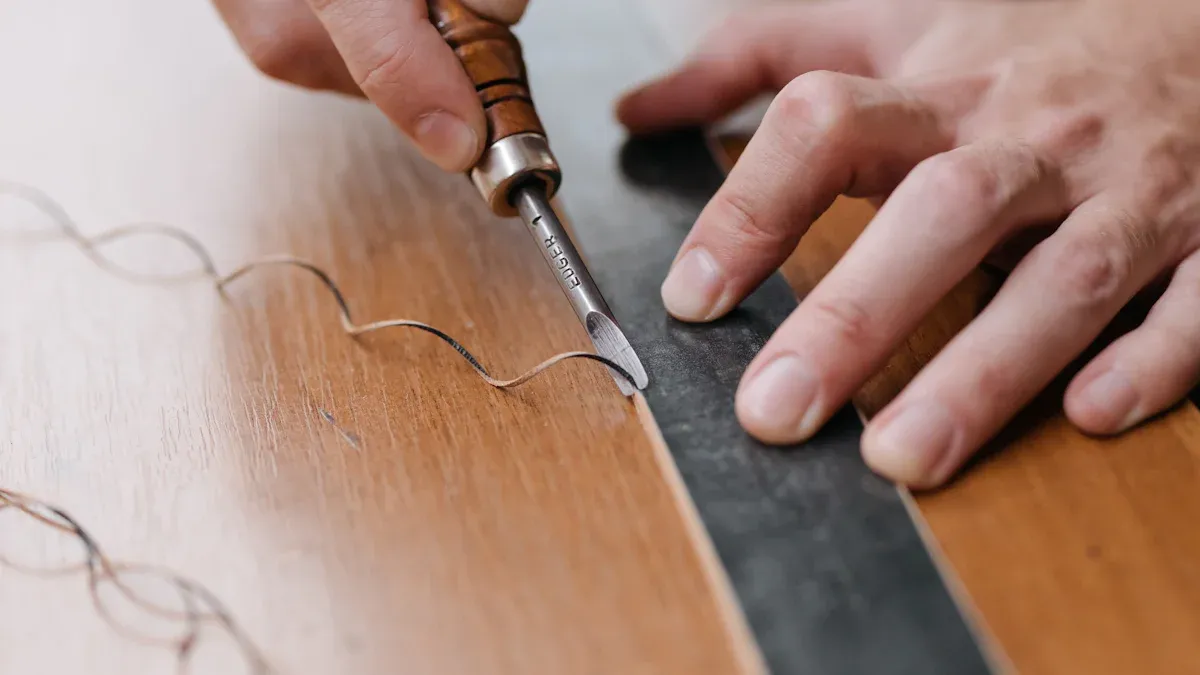
Engraving means cutting or carving a design into something hard. You take away some of the material to make lines or pictures below the surface. People have used this method for art and work for a long time. Engraving is different from other methods because it makes a deep, lasting mark.
There are many ways to engrave things. Some common ways are:
Hand engraving uses special tools to carve by hand.
Laser engraving uses a strong light beam for careful work.
CNC engraving lets a computer move the tool.
Rotary engraving uses a spinning cutter.
Diamond drag engraving pulls a diamond tip over the surface.
Each way gives different detail and speed. Some art styles like xylography and linocut are also used in printmaking.
You can engrave many materials. The table shows some popular choices and how people use them:
Material |
Contexts |
|---|---|
Metals |
Jewelry engraving (gold, silver, platinum) |
Glass |
Artistic expression |
Wood |
Decorative engraving, personalized gifts |
Plastics |
Industrial applications, signage |
People also engrave leather to add small details and patterns.
It is important to know how engraving is different from other methods. The table lists some good and bad points:
Advantages |
Disadvantages |
|---|---|
Precision |
Material Limits |
Durability |
Time-Consuming |
Permanence |
Limited to Monochrome |
Aesthetics |
Irreversible |
Tamper-Proof |
|
Low Maintenance |
|
Enhanced Branding |
Engraving makes a mark that lasts and cannot be changed easily. But it can take longer and does not work on every material.
Engraving is used in many jobs and crafts. Here are some common uses:
Application Type |
Description |
|---|---|
Product Customization |
Making jewelry, clothes, and home items special for brands and ads. |
Traceability |
Marking things to track them in supply chains, like in car factories. |
Medical Devices and Electronics |
Marking tools and implants for rules and tracking. |
Multi-Purpose Manufacturing |
Engraving barcodes and designs to check quality in factories. |
Both skill and machines are important in engraving today. When you look at engraving, etching, and embossing, engraving is best for lasting and careful work.
Etching uses chemicals to take away material from a surface. This makes designs or pictures. You can make very detailed patterns with this method. Many artists and companies use etching. It works for both art and technical jobs.
First, you cover the material with a layer called a resist. You scratch off the resist where you want your design. Then, you put the material in a chemical bath. The chemicals touch the open spots and eat away the material. This leaves your pattern behind. The table below explains some parts of the chemical process:
Process Aspect |
Description |
|---|---|
Chemical Reactions |
The chemical and the material mix, so the material breaks down and makes new stuff. |
Example Reaction |
Cu (s) + 2 FeCl3 (aq) → CuCl2 (aq) + 2 FeCl2 (aq) (etching copper with ferric chloride). |
Role of Temperature |
Higher heat makes the reaction go faster. |
Role of Pressure |
Lower pressure lets you etch deeper, but higher pressure makes it more even. |
Etching works on many metals and some other things. You pick the material based on what you need. Here are some common metals and how people use them:
Metal |
Properties |
Suitability for Etching |
|---|---|---|
Copper |
Good at carrying heat and electricity |
Used for parts in electronics and circuit boards |
Beryllium Copper |
Strong and carries electricity well |
Great for strong and conductive parts |
Brass |
Tough, carries heat and electricity |
Used in lots of electronic pieces |
Phosphorus Bronze |
Lasts long, bends without breaking |
Best for parts that need to flex often |
Nickel/Silver |
Does not rust, easy to connect |
Used in electric parts |
Stainless Steel |
Does not rust or get wet easily |
Used for springs and shields in electronics |
Note: Some metals, like titanium or special metals, need different chemicals. Alloys with lots of carbon can be hard to etch.
It helps to know the good and bad sides before you choose etching. The table below shows how etching compares to engraving and embossing:
Process |
Benefits |
Drawbacks |
|---|---|---|
Etching |
Saves money for big orders, works fast on hard metals |
Not as exact for tiny details |
Engraving |
Very exact and lasts long, works on tough materials |
Slow and costs more for big or tricky jobs |
Embossing |
Fast for lots of items, gives a raised look |
Not strong on soft stuff, tools can cost a lot |
Etching is good for making lots of things and for hard metals.
It may not be as sharp as engraving for small details.
Etching is used in many areas. Here are some examples:
Field |
Application Description |
|---|---|
Electronics |
Makes patterns on chips and circuit boards |
Aerospace |
Helps make light and strong airplane parts |
Fine Art |
Lets artists make prints by etching metal plates |
Artists also use etching on glass and other hard things.
You can change the design by covering lines and using chemicals again.
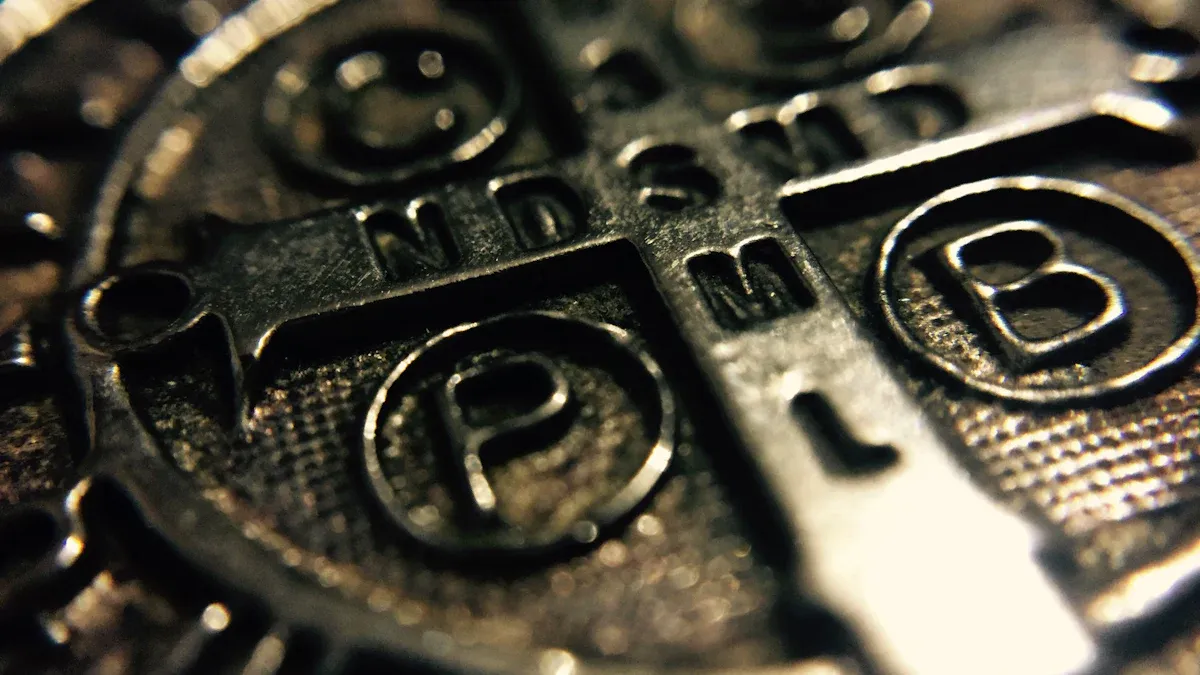
Embossing makes a raised design on a surface. This method helps patterns or pictures stand out. People use embossing to add texture or a special look. It gives things a unique style and feel. You can find embossing on cards, packages, and nameplates.
There are different ways to do embossing. Each way works best for certain things. Here are the main types:
Force embossing presses soft things, like tissue paper, to change their shape.
Casting mold embossing shapes liquid stuff before it gets hard, making a raised area.
Stamp embossing puts material between two plates after cutting it.
Rotary embossing uses rollers to emboss fast, good for long sheets.
Tip: You can mix embossing with other methods, like foil stamping, for cool designs.
You can emboss many kinds of materials. In packaging and printing, people often use:
Card stock
Rigid cardboard
Thick paper
Corrugated materials
Chipboard
Embossing is also used on leather. It adds detail and texture to wallets, diaries, and book covers.
The table below shows how embossing compares to engraving and etching:
Method |
Advantages |
Disadvantages |
|---|---|---|
Embossing |
Looks nice with depth and texture |
Not good for tiny details |
Lasts long and does not wear out easily |
||
Works for many uses |
||
Engraving |
Makes very detailed and exact designs |
Costs more for hard designs |
Marks last a long time |
||
Good for hard materials |
Embossing is great for its look and strength. You can use it on many things, but it is not best for very small details.
Embossing is used in many products. The table below shows some popular uses:
Application Type |
Description |
|---|---|
Paper Products |
Cards, stationery, and gift bags use embossing for a fancy look. |
Personal Gifts |
Hot embossing makes wallets and diaries special. |
Fabrics |
Clothes and home items get texture and style from embossing. |
Business Stationery |
Business cards and letterheads look better with embossed details. |
Accessibility |
Embossing makes braille for people who cannot see. |
Plastic Cards |
Credit and ID cards have embossed numbers and letters. |
Marketing Materials |
Promo items use embossing to get noticed. |
Bookbinding |
Leather books use embossing for decoration and protection. |
Embossing mixes creativity and skill to make many everyday things better.
Each method uses its own way to make designs. Engraving uses a sharp tool to cut deep lines into a surface. No acid or chemicals are used in this process. This makes sharp lines and fine details. It is good for designs that need to be exact. Laser engraving makes shallow cuts with high detail. CNC engraving makes deeper marks for a 3D look.
Etching is different because it uses acid. First, you cover the metal with wax. Then you scratch your design into the wax. The acid eats away the metal where you scratched. This lets you make different lines and textures. The type of wax and acid changes the look. Etching is great for detailed designs and shading.
Embossing is special because it raises the design above the surface. You press the material between plates or use rollers. This makes the pattern stand out. Embossing gives a 3D effect and adds texture. You see this on cards, packages, and nameplates. The raised design is easy to feel and see. People like it for both looks and use.
Here is a table that shows the main differences:
Process |
Description |
Key Features |
|---|---|---|
Engraving |
Marking with a v-shaped blade, creating deep impressions. |
Sharp lines, fine detail, long-lasting, allows for customization. |
Etching |
Using acid to incise metal, with wax ground for design. |
Detailed designs, different textures, good for tones. |
Embossing |
Pressing material to create a raised design. |
3D effect, adds texture, durable, cost-effective for large runs. |
Tip: Pick engraving for sharp, deep lines. Choose embossing for a raised, touchable pattern. Use etching for detailed and textured designs.
Think about how long you want your design to last. Engraving makes deep cuts that do not wear away. There is no ink to fade or rub off. This makes engraving good for things used a lot, like jewelry or labels.
Etching also lasts, but usually for 5 to 10 years. The acid removes material, so nothing can rub off. Etching works well for electronics, airplane parts, and art prints.
Embossing makes a raised design that can handle lots of use. Nameplates and cards with embossing stay clear and nice for a long time. The raised part does not wear down easily, even if you touch it often.
Here is a table to compare how long each one lasts:
Process |
Durability Description |
Lifespan |
|---|---|---|
Engraving |
Deep cuts, resists wear, no ink to fade. |
Very long-lasting |
Etching |
Durable, but may wear after 5-10 years. |
5-10 years |
Embossing |
Raised design, withstands heavy use. |
Very long-lasting |
For things that get used a lot, like signs or labels, engraving is best. It stands up to scratches, weather, and chemicals. You get clear text and barcodes that last. Embossing is also good for things that need to stay strong, like business cards or packages. Etching is best for detailed designs that do not get heavy use.
You should think about a few things before you pick a method. The difference depends on your project, the material, and your budget. Here are some things to think about:
Design Goals: Do you want it to look nice or just work well? Engraving is exact. Embossing adds texture and style.
Material Compatibility: Some ways work better on certain materials. Engraving is great for metals, glass, and wood. Embossing works best on paper, leather, and soft metals. Etching is good for metals and glass.
Budget Constraints: Engraving can cost more for big jobs, but laser engraving is fast for large projects. Embossing is cheaper for lots of items. Etching is quick and exact for small jobs.
Timeline Considerations: If you need it fast, pick etching or laser engraving. Hand engraving takes longer.
Intended Use: For things used every day, like tools or labels, engraving or embossing lasts longer. For art or display, etching gives more detail.
Target Audience: If you want a fancy look, engraving and embossing add value. For lots of items, embossing is often best.
Volume: Big orders are cheaper with embossing or laser engraving.
Here is a table to help you choose:
Factor |
Description |
|---|---|
Design Goals |
Choose based on function or decoration. |
Material Compatibility |
Pick the method that fits your material. |
Budget Constraints |
Consider setup and per-piece costs. |
Timeline Considerations |
Think about how fast you need the job done. |
Intended Use |
Match durability to how the item will be used. |
Target Audience |
Decide if you need a luxury or mass-market finish. |
Volume |
Look for cost savings on large orders. |
Note: Laser engraving is better for the planet and uses less energy. Etching can hurt the environment if you do not handle chemicals safely. Embossing does not use chemicals, so it is safer for nature.
When you compare these methods, you see each one is good for something. Engraving gives sharp, lasting marks. Embossing adds texture and style. Etching gives detailed designs. You can use these ways for many things, from leather work to labels. To get the best results, match your needs to the right method. This helps you get the most value and quality for your project.
You now understand the main differences between engraving, etching, and embossing. Engraving makes sharp marks that last a long time. Etching uses chemicals to make detailed designs. Embossing lifts the surface to give it texture. When picking a method, think about what material you have. Also, decide how long you want your design to last. Think about the look you want to get.
Feature |
Hand Engraving |
|
|---|---|---|
Speed |
Fast |
Slow |
Precision |
Very precise |
Deep, 3D effects |
Material Versatility |
Limited by machine |
Any size or shape |
Applications |
Industrial |
Artistic |
Skill Requirement |
Less skill needed |
More skill needed |
To make your design last, check how it will handle use and weather. If you are not sure, ask an expert for advice. They can help you pick the best way for your project. You can also learn more about these methods, their past, and new tools.
Engraving is the top choice for strong labels. It makes deep marks in the material. The label stays easy to read after lots of use. Weather does not ruin the mark.
You can emboss metals that are soft, like aluminum or brass. Hard metals do not change shape easily. For hard metals, engraving or etching works better.
Etching uses chemicals that can hurt nature if not handled right. Always follow safety steps and get rid of chemicals at safe places. Laser engraving and embossing are safer for the earth.
Etching is best for tiny details and shading. It helps you make cool patterns and textures. Many artists use etching for prints and fancy art.


